
Bruxism and Occlusal Splints
What is Bruxism?
Bruxism is characterized by involuntary grinding or clenching of the teeth. It can occur during the day (daytime bruxism) or at night (nighttime bruxism), with nighttime bruxism being more common.



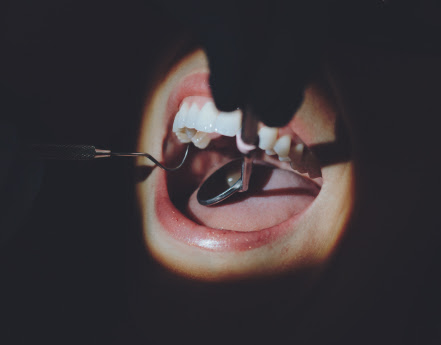
Symptoms:
- Teeth grinding during sleep.
- Clenching of teeth, often with jaw muscle tightness.
- Jaw, temple, ear, tooth, or facial muscle pain.
- Abnormal tooth wear, chips, or fractures.
- Headaches, especially upon waking.
- Increased tooth sensitivity.
- Difficulty opening or closing the mouth fully.
Causes:
- Stress, anxiety, and emotional issues.
- Physiological factors like misaligned teeth or improper occlusion.
Diagnosis:
- Bruxism is diagnosed by a dentist or doctor after a clinical examination. In some cases, a sleep study (polysomnography) may be recommended.
Treatment:
- Use of dental protection devices like occlusal splints.
- Stress and anxiety management through relaxation techniques or therapy.
- Specific medical or dental treatments may be required in some cases.
Occlusal Splint
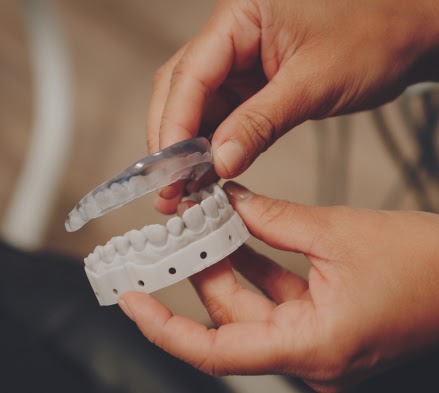
An occlusal splint is a semi-rigid acrylic device used to protect teeth from bruxism. It creates a barrier between upper and lower teeth, reducing enamel wear and damage. Custom-made from dental impressions, the splint should be checked and adjusted regularly.